The Weight of Waiting
Football, and then Arsenal, were my first real loves when it came to sport. I remember asking my mum if it would be okay to get married in an Arsenal shirt instead of a dress… I loved all the kits, I loved that Arsène was called Arsène, I loved Highbury, and I loved most of the players, Henry above all. Nearly all those thing
s have changed or gone, and I’m much of a quieter fan these days, and it plays less of a role in my life.

That being said, this season has felt quite full circle. Arsenal won the premier league for the first time in 22 years. Working in a school the day after they had won, and watching the children wear their kit in celebration, was so reminiscent of 8 year old me all those years ago when we had last won.
Just a few weeks later and Arsenal played in the Champions League final against PSG. Again, I have such a distinct personal memory of the 2006 Champions League final. I was away on my year 6 residential trip to France. Our Head of Sport was with us, and kept checking the score on the radio, but as a United supporter he liked to mess with me, so when I heard we had lost 2-1 to Barcelona I wasn’t sure if that was even the truth – but sadly it was! This weekend - 20 years on - I was away for a few days in France and Belgium, as Arsenal were in the final yet again. I felt like we were set up for a fairytale ending. But it was not to be.

So we all return home. Arsenal empty handed from Europe but met with a parade of thousands of supporters to celebrate their Premier League success. This really struck with me as an image. How do you celebrate on the greatest achievements while processing one of the greatest disappointments – particularly
given the context of the game where Arsenal were ahead early and went on to lose on penalties.
From a psychological perspective, I think this comes down to our ability to hold mixed emotions. We so often view success and failure as binaries: you win or you lose. But in reality, sport rarely works like that. Someone can get a PB but still not qualify, you may lose a final but still get a gold medal, you can play the best you ever have personally and still lose as a team. And you can win the Premier League and lose the Champions League Final. The reality is that some of our most meaningful sporting – and life -experiences contain a mix of pride and disappointment.

Research consistently shows that emotions are more complicated than we may assume. We are able to feel gratitude alongside frustration, feel relief alongside sadness, and feel pride alongside deep regret. Being able to experience these emotions simultaneously is an important indicator of psychological flexibility and emotional maturity.
This Arsenal season provides the perfect example. For fans, players and staff, there was a long wait between titles and finals. Years of rebuilding, setbacks, near misses and finally an opportunity that represented the culmination of years of work. But because the outcome was not what had been hoped for, it’s easy to see it as a loss. As humans generally we let the ending dominate our narratives. We judge experiences by how they finish rather than the journey as a whole and so a disappointing ending can overshadow months or years of progress and success.
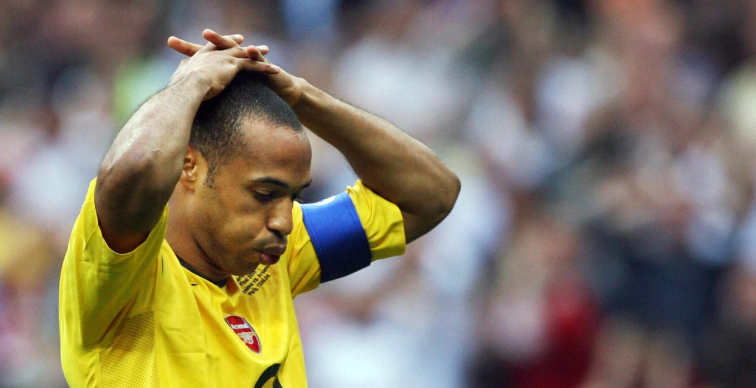
This is where psychological flexibility is key. We so often encourage athletes to focus on positives and avoid dwelling on disappointment. But in doings so we can imply that negative emotions should be replaced by positive ones. A more helpful approach may involve acknowledging both side by side.
In sport, education, work or life more generally, many of our goals do not end with a neat emotional resolution. We achieve something we have worked years for, and discover other emotions are still there. We celebrate one success while reflecting on another opportunity that slipped away. The challenge is learning that we can feel both pride and disappointment. The real weight of waiting is not that success never arrives, but that when it does, it rarely arrives in the simply, uncomplicated and final form that we imaged.
Comments